

Alternate Name(s):
Pequot
Type:
Year Established:
1789
Existing:
Yes
Source:
LL-1908
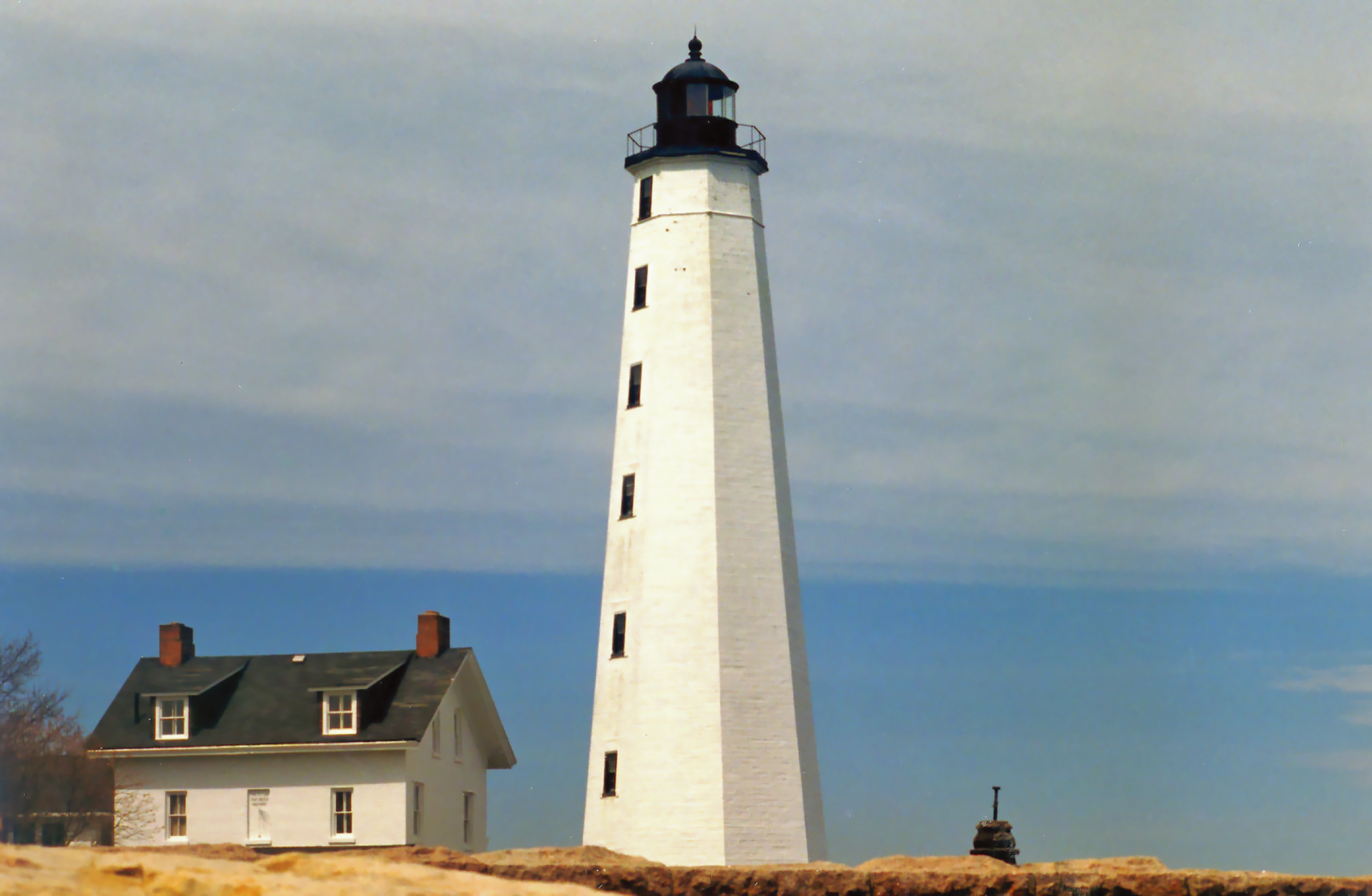
Download:
New London Harbor CT 1996 TAT.jpeg (523.19 KB)

File Type:
jpeg (image/jpeg)
Photo Date:
1996
Photo Credit:
Thomas Tag
Photo Courtesy of:
US Lighthouse Society
Collection / Donor:
LOCATION
Location:
West side of harbor entrance
Latitude:
41° 19'
Longitude:
72° 5.4'
City / Town:
New London
U.S. State:
Connecticut
Location County:
New London
Country:
United States
OWNER & ACCESS
Open to Public:
Yes
STRUCTURE
Year Tower Established:
1801
Tower Construction Material:
Brownstone/Brick lining
Tower Foundation:
Surface Rock/Stone
Height of light above mean high water, in feet:
89 feet above water
Height, in feet, from base of structure to center of lantern:
85 feet
Tower Shape:
Octagonal
Fog Signal Building?:
No
Keeper's Quarters?:
Yes
Year Keeper's Quarters:
1863
Keeper's Quarters Style:
Gable
Keeper's Quarters Construction:
Brick
Other Structures:
None
OPTICS
Current Optic:
Fourth Order, Fresnel
Original Optic Type:
11 Lamps w/13-Inch Reflectors
Year Original Lens Installed:
1857
Private Aid:
No
USCG Access to Optics:
No
More Information
Entered by:
Entered Date:
Jul 20, 2017
The fourth lighthouse built in the colonies. To fund construction, a lottery was held.
The original stone tower was 62 feet tall, 24 feet in diameter at the base with 4 foot thick walls. The walls tapered to only 3 feet thick at the top and was furnished with a lantern made of wood.
The tower was in a near constant state of repair. In 1799 the Collector of Customs recommended an new tower be built.
A. Woodward was awarded the contract for constructing the second tower.
Construction of the second lighthouse began in 1800 and finished in 1801 and fitted with oil lamps and an eclipser (a copper or brass screen that mounted on the optic and rotated around the light via a clockwork.)
Around 1816, the oil lamps were replaced with Argand lamps and 14" relfectors. This was replaced with a fresnel lens after the Civil War.
1907, an IOV was the new light source inside the lens.
May 12, 1912, the IOV was replaced with an automatic acetylene flasher, resulting in the station being automated